Understanding Different Sewing Machine Types
Choosing the right sewing machine can significantly impact your sewing experience. With various types available, understanding their features and capabilities will help you make an informed decision that meets your crafting needs.
Types of Sewing Machines
Research indicates that there are several primary types of sewing machines available on the market, each designed for specific tasks and user experience levels. These typically fall into the following categories:
- Mechanical Sewing Machines: These are often favored by beginners as they feature simple, manual controls. Users typically find them reliable for basic sewing tasks, and they require minimal maintenance.
- Electronic Sewing Machines: Many users report that electronic machines offer enhanced features, such as automatic buttonholes and digital displays. These machines often streamline sewing processes, making them suitable for more complex projects.
- Computerized Sewing Machines: According to experts, computerized models provide advanced functionalities, including programmable stitches and precise adjustments. These machines are ideal for experienced sewists who tackle intricate patterns.
- Overlock Sewing Machines: These machines specialize in finishing edges and are essential for knit fabrics. They can help create professional-looking hems and seams, although they require a learning curve to master.
- Embroidery Machines: Designed specifically for adding intricate designs to fabric, these machines typically incorporate technology for automatic stitching. They may not be necessary for all sewists, but they can enhance creativity for those interested in decorative work.
Choosing the Right Machine for Your Needs
When selecting a sewing machine, it’s crucial to consider your intended projects and skill level. Industry experts suggest evaluating the following factors:
- Project Type: Different machines excel at different tasks. For simple sewing projects, a mechanical sewing machine may suffice. However, for detailed embroidery work, investing in an embroidery machine could be beneficial.
- Budget: Prices can vary widely. Many users report satisfactory results with mid-range machines which balance functionality with affordability. A budget of $200 to $800 is common for quality machines that provide a range of features.
- Learning Curve: If you are a beginner, consider a machine with straightforward functions. More advanced models may involve a steeper learning process and require dedication to fully utilize their capabilities.
"Selecting the right sewing machine is not just about features but also about finding a model that feels comfortable and intuitive to use." - Sewing Expert
Conclusion
Understanding the various types of sewing machines and their functionalities can significantly enhance your crafting experience. It's essential to assess your skill level, project goals, and budget before making a purchase. By doing so, you can select a machine that not only meets your current needs but also supports your growth as a sewist over time.
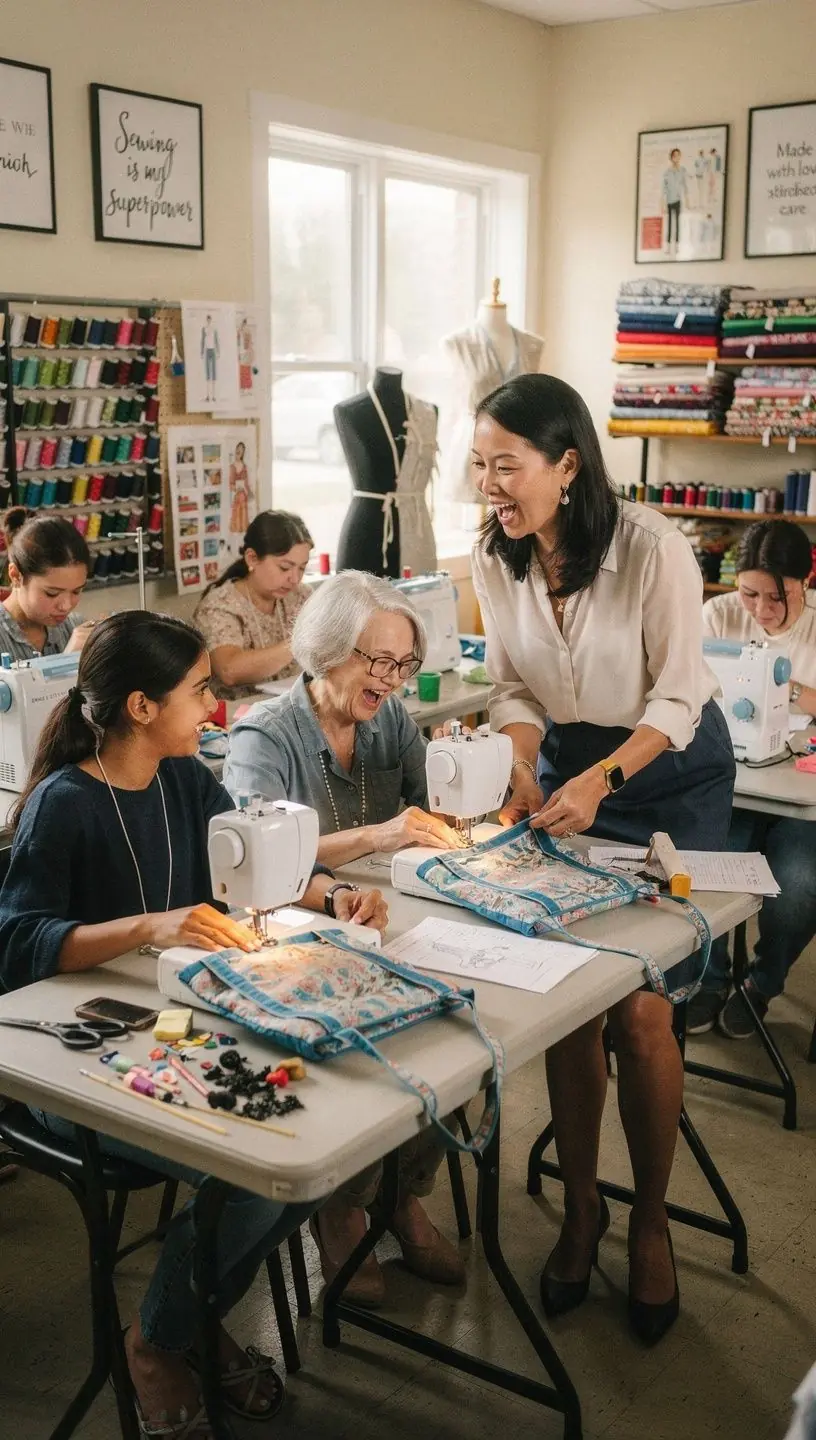
For hands-on learning, consider enrolling in a workshop where you can test different machines and receive expert guidance. Such experiences often clarify which models resonate with your personal style and sewing ambitions.
Learn More