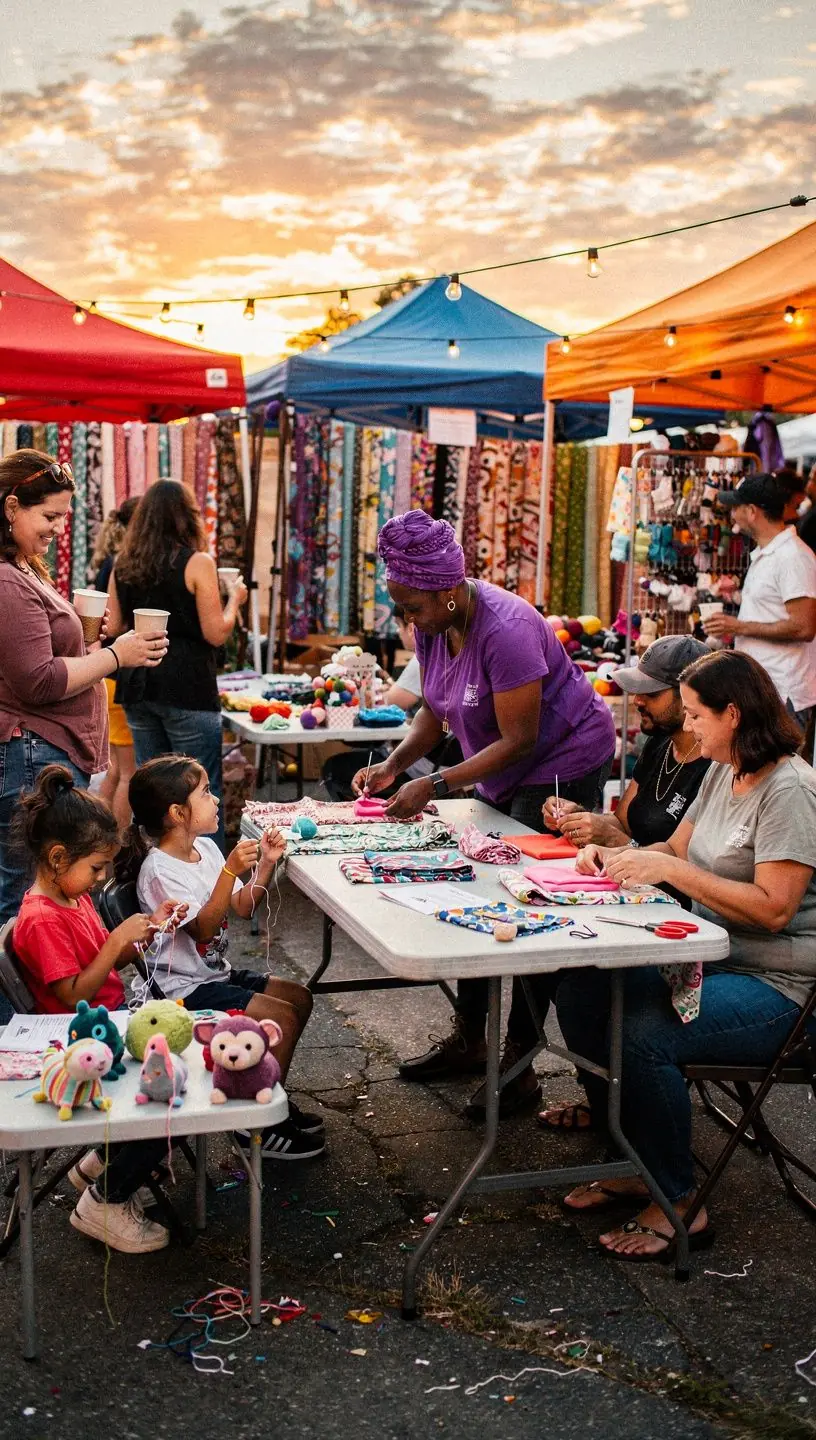
Techniques for Repairing and Upcycling Clothes
In a world increasingly focused on sustainability, upcycling and repairing clothes have become essential skills. This article provides practical techniques and insights into how you can give your garments a new lease on life while contributing to eco-friendly practices.
Understanding the Importance of Upcycling
Upcycling is not only a creative outlet but also a means to reduce waste. According to the Environmental Protection Agency (EPA), textile waste is a significant contributor to landfills, with millions of tons discarded yearly. By learning to repair and repurpose clothing, individuals can help mitigate this issue while saving money.
"Research indicates that extending the life of clothing by just nine months can reduce carbon, water, and waste footprints by around 20-30% each." - Fashion for Good
Common Techniques for Repairing Clothes
There are several effective methods for repairing clothes that require varying levels of skill and time commitment:
- Patchwork: A common method that involves sewing a piece of fabric over a hole or worn area. This method is not only functional but can also be a decorative element.
- Invisible Mending: This technique uses a needle and thread to carefully stitch the fabric together, making repairs nearly undetectable. It often requires a higher skill level and patience.
- Fabric Darning: Often recommended for knit garments, darning involves weaving thread into the fabric to close up holes. This can typically take a few hours but results in a durable repair.
Steps to Upcycle Your Clothes
Upcycling can range from simple alterations to major redesigns. Here are some practical steps to get started:
- Assess Your Wardrobe: Identify items that are damaged or no longer fit your style. Ask yourself how they can be transformed.
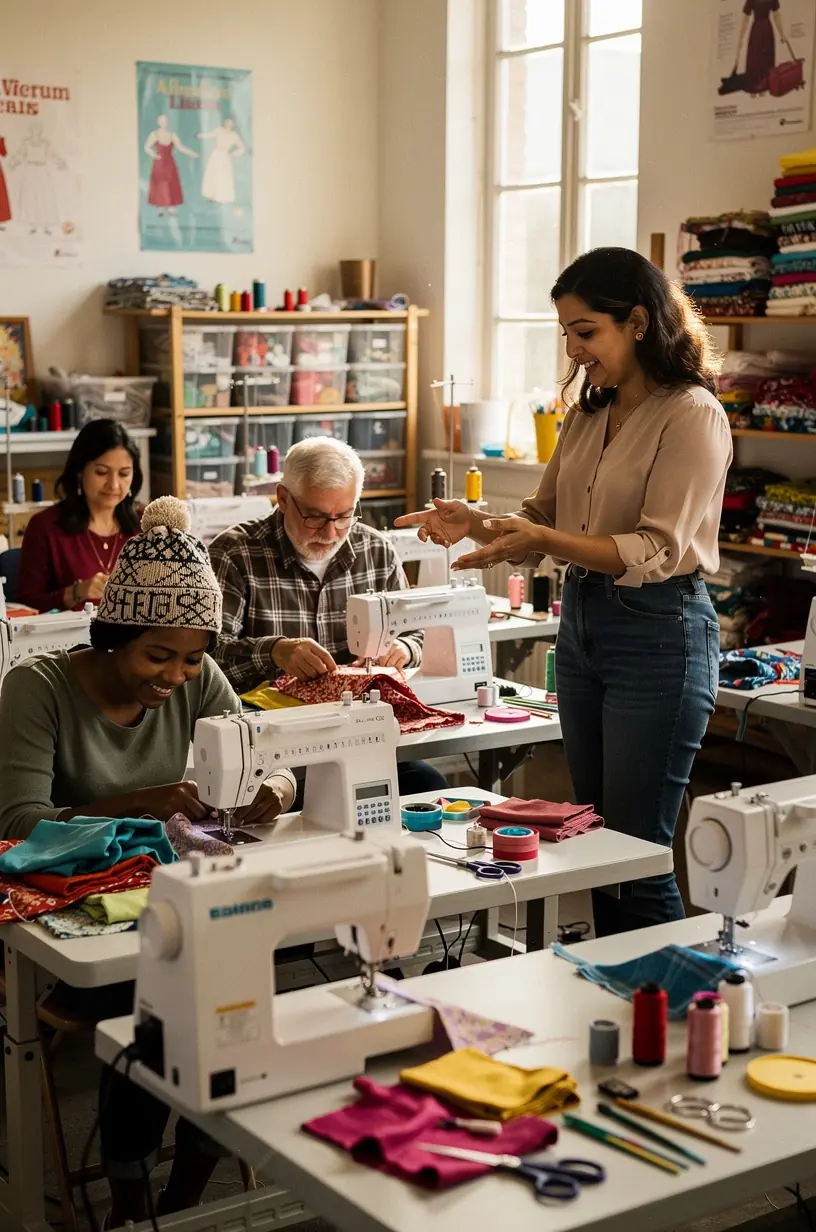
- Gather Materials: Collect necessary supplies such as fabric, thread, and tools like scissors and sewing machines. Many local craft stores offer workshops to help you learn how to use these tools effectively.
- Plan Your Design: Sketch your ideas or look for inspiration online. This planning stage can help clarify the techniques you will need to use.
- Execute Your Plan: Follow your design step-by-step, utilizing the appropriate techniques for the type of repair or upcycling you're doing.
- Show Off Your Work: Once completed, wear or gift your upcycled pieces with pride. Many users report a sense of accomplishment and creativity from wearing something they’ve personally transformed.
Setting Realistic Expectations
While repairing and upcycling clothes can be rewarding, it is important to set realistic expectations. Most techniques involve a learning curve and may take anywhere from a few hours to several weeks, depending on the complexity of the project. Beginners might find simpler projects more manageable before tackling advanced techniques.
Conclusion
Repairing and upcycling clothes not only promotes sustainability but also fosters creativity and resourcefulness. As you embark on this journey, remember to be patient with yourself and embrace the learning process. For those interested in deepening their skills, consider joining local craft workshops that offer hands-on instruction and material supplies. These classes can provide valuable insights and support as you explore the art of upcycling.