Exploring the History of Knitting Techniques
Knitting is much more than a mere pastime; it is an art form that has evolved over centuries. Understanding the history of knitting techniques provides valuable insights not only into the craft itself but also into its cultural significance. This article explores the origins, evolution, and practical applications of various knitting techniques.
The Origins of Knitting
Knitting is believed to have originated in the Middle East during the 5th century. The earliest evidence of knitted items dates back to Egypt, where socks made from wool were found in burial sites. According to research by the Textile Museum, these ancient knitted garments were typically made using a technique known as looping. This early form of knitting involved creating interlocking loops of yarn, a method that laid the foundation for modern knitting practices.

"Knitting has evolved through various cultures, each contributing unique techniques and styles that enrich the craft today."
The Evolution of Techniques
As knitting spread across Europe and other parts of the world, it adapted to regional styles and materials. In the 14th century, the introduction of the knitting needle transformed the craft. Studies show that the use of two needles allowed for more intricate patterns and a greater variety of stitches. Many users report that techniques such as Fair Isle and cabling became popular during this time, offering unique textures and designs.
Knitting Techniques Over Time
- Continental Knitting: This method is often favored for its efficiency, with the yarn held in the left hand, allowing for faster stitch creation.
- English Knitting: Involves holding the yarn in the right hand, which can be beneficial for those who prefer a more visual approach to the craft.
- Double Knitting: A technique that allows for the creation of two layers of fabric simultaneously, providing both warmth and versatility.
Modern Applications and Trends
Today, knitting continues to thrive as a popular craft. Many experts recommend incorporating various historical techniques into modern projects, as it can enhance creativity and skills. For instance, a recent survey by the Craft Council indicated that crafters who explore traditional methods often develop a deeper appreciation for their work and the history behind it.
Learning and Practicing Knitting Techniques
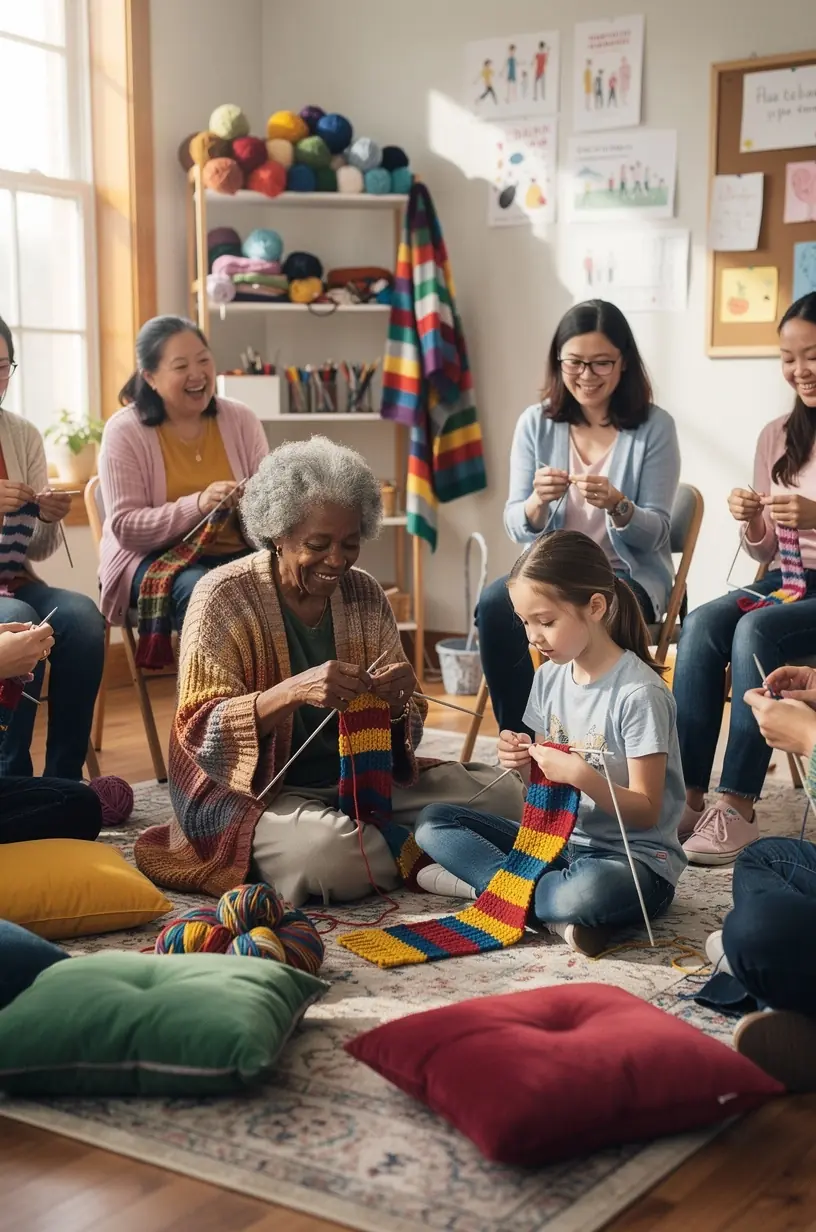
Engaging with historical knitting techniques typically requires dedication and practice. Workshops and classes are available for beginners and advanced knitters alike, making it easier to learn the fundamentals and refine skills. In most cases, participants find that consistent practice—usually a few hours per week—can significantly improve their proficiency.
Conclusion
In summary, the history of knitting techniques showcases a rich tapestry of cultural influences and practical applications. By exploring various methods, crafters can enhance their skills and gain a greater appreciation for this timeless craft. Whether you're a novice or an experienced knitter, integrating historical techniques into your projects can provide a rewarding experience and foster a deeper connection to the art of knitting.
Learn More